A product brief should identify your selected SKU or idea, sales channel, destination market, quantity and customization preferences. Sampling then turns that brief into a version you can review for construction, appearance, packaging and order approval.
Share the essentials
Choose a collection SKU or describe the idea you want to develop. Include your sales channel, destination market, approximate quantity and target launch date if known. Reference images can help explain a color, form or presentation preference. Identify which details are essential and where you are open to options.
Discuss the whole product
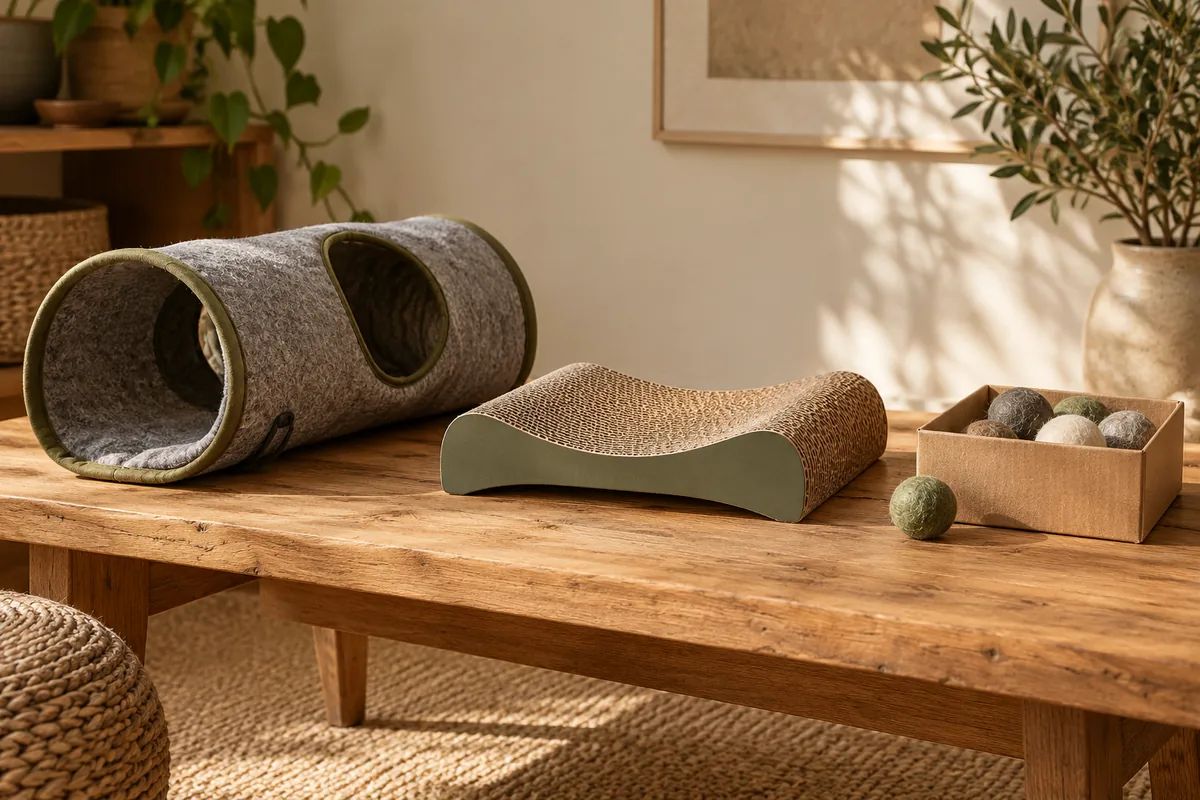
Consider the material, shape, components and packaging together. Changing a tunnel connection affects more than appearance; it can also change assembly and the way the item packs. A new set format changes the piece count, label and presentation. Ask for a quotation scope that reflects the product you actually want.
Agree the sample arrangements
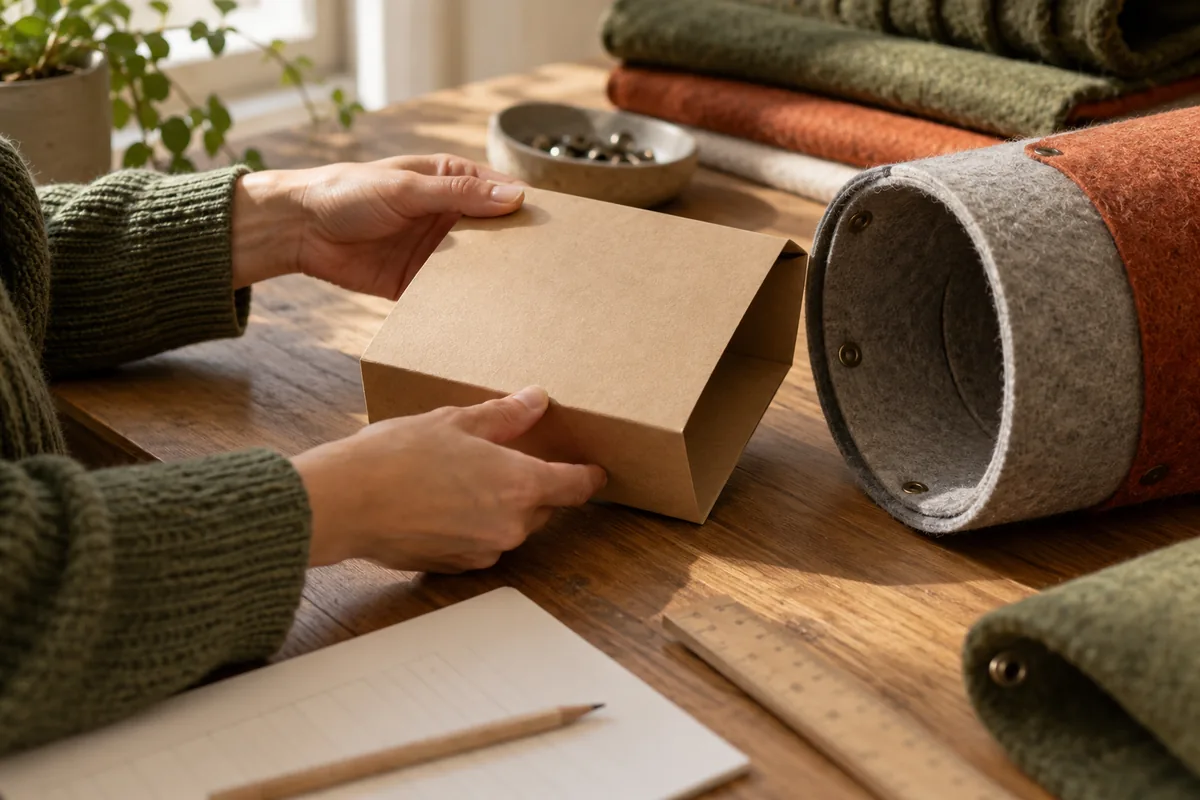
Discuss which version the sample represents, the sample cost and schedule, and the details to review. If the packaging is part of the project, include it in the discussion. A product sample alone cannot show how the whole set will appear on your shelf or arrive with your customer.
Review the customer experience
Look at the appearance and feel, then consider assembly, components, care information and pack presentation. Keep comments specific: the opening, connection, edge finish or label position that you want changed. Photos and a short list of revisions make the next conversation clearer.
Confirm the order version
Agree the final specification, quantity, price, payment terms and delivery arrangements in writing. If a detail changes after the sample review, include the change in that agreement. Share any market-specific documentation requirements early so they remain part of the project scope.
Keep a sample review record
| Review area | What to record |
|---|---|
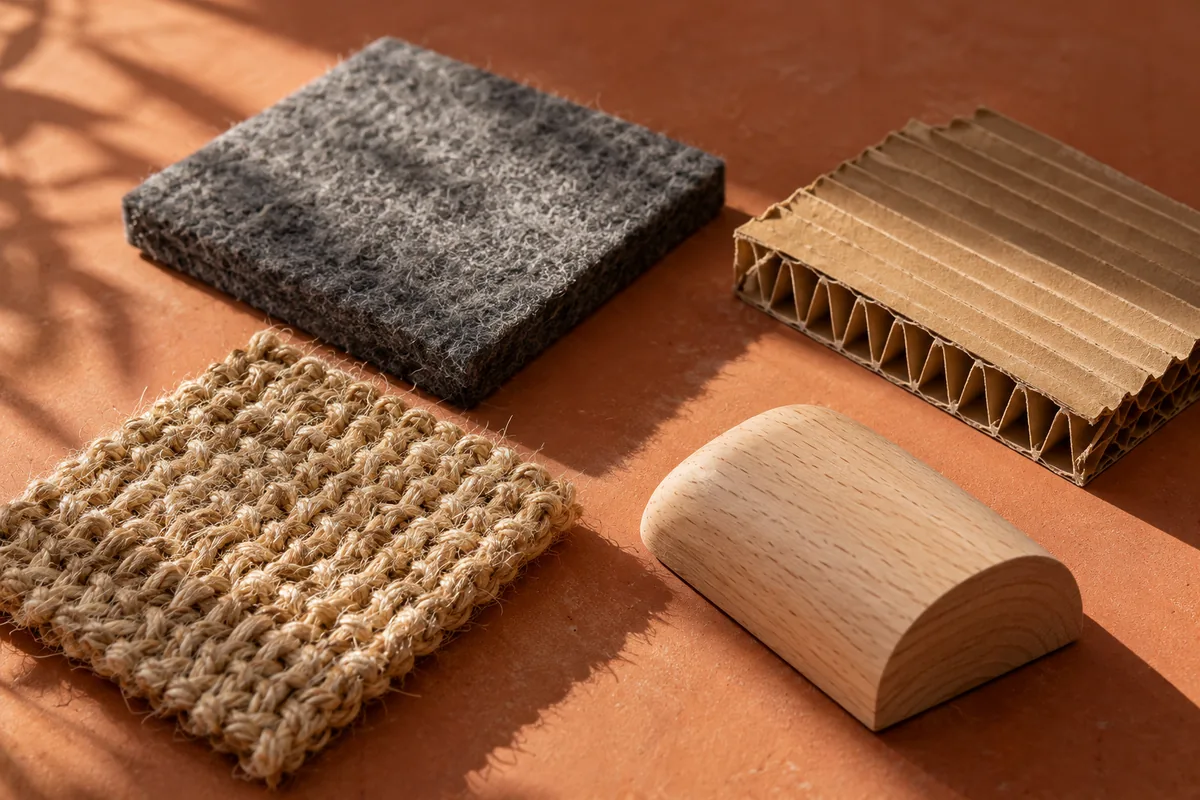
| Product version | SKU, revision, dimensions, material and color references |
| Construction | Seams, edges, connectors, moving parts and assembly steps |
| Set contents | Piece count, attachment types, refills and excluded accessories |
| Packaging | Individual pack dimensions, labels, instructions and carton arrangement |
| Order handover | Approved changes, quantity, price, payment terms and delivery schedule |
Mark each item as approved or requiring a specific revision. Keep photos, measurements and the approved artwork with the same version reference. A request such as “move the label 2 cm from the bound edge” is easier to act on than “make the branding better.” Ask for a revised sample when a change affects construction or fit.
The OEM/ODM page explains the two starting points: customize a collection item or bring a new product brief. Contact MewToys with the essentials to discuss your next step.
Share your selected SKUs, market and customization ideas. Discuss product specifications, packaging and sample arrangements for your collection.
Start an inquiry ↗