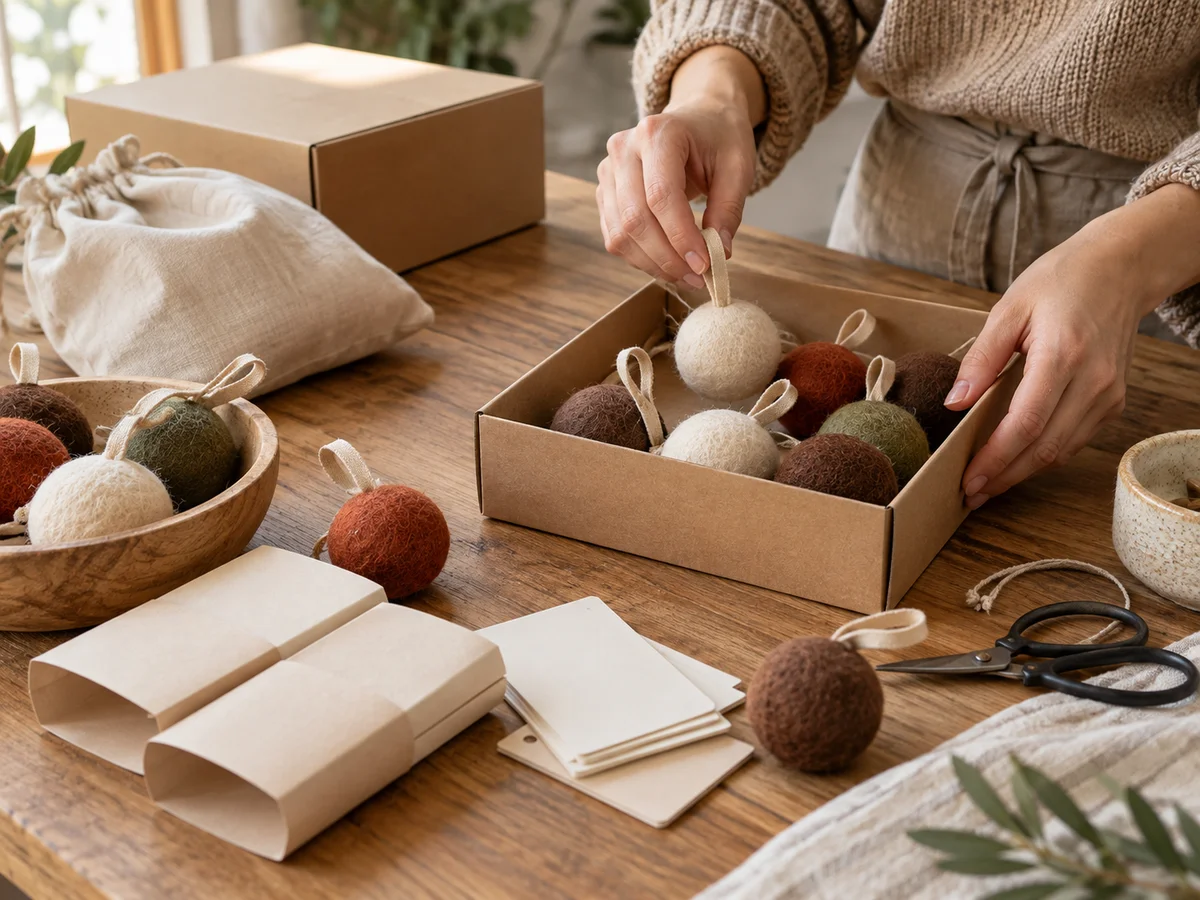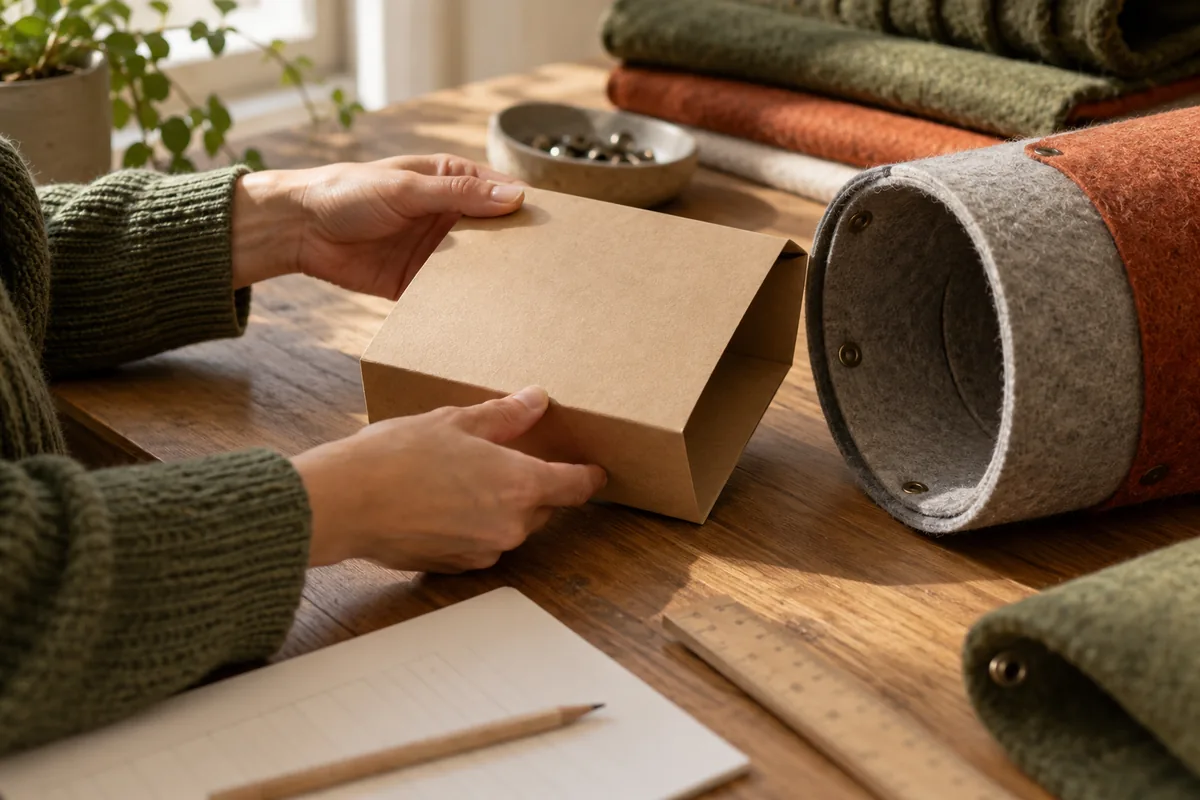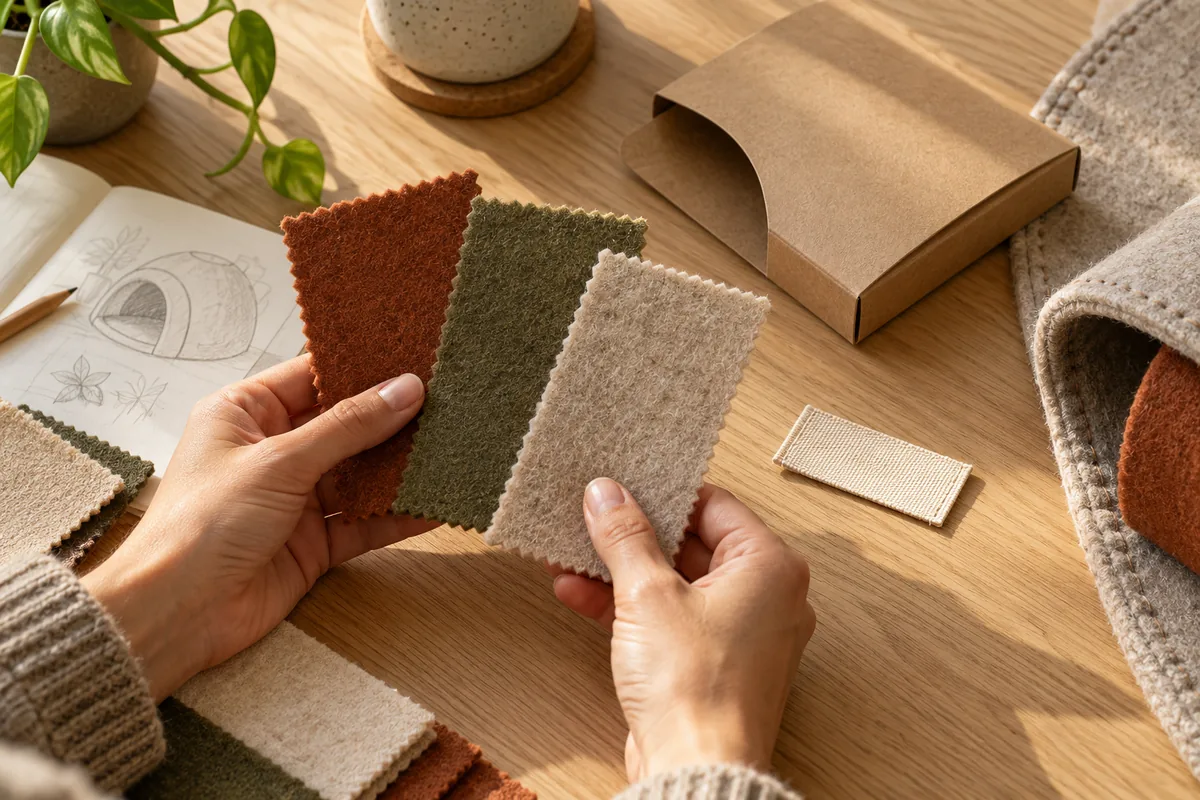
Private label pet products are products supplied for sale under the buyer’s brand. For a cat collection, customization can include labels, colors, set contents and retail packaging. A change to the underlying structure is a separate development scope that needs its own specification, quotation and sample review.
Start by choosing an existing SKU and listing the changes you need. This guide explains how to compare private label cat product proposals without assuming that every supplier uses OEM, ODM or private label in the same way. Images illustrate design and packaging options rather than completed customer projects.
What is the difference between private label and product development?
Private label describes whose brand appears on the product. It does not, by itself, tell you how much design work is included. A standard felt toy set with a branded sleeve may require artwork approval. A tunnel with a new connection system requires construction decisions and a sample that demonstrates the revised structure.
OEM and ODM labels can be used differently across suppliers. Instead of relying on the label, ask which existing design is the starting point, what changes are included, who provides drawings and which parts need development. Record the actual deliverables in the quotation.
| Scope | Example for a cat collection | Approval focus |
|---|---|---|
| Branding an existing item | A label on A01 or a sleeve around B01 | Artwork, position, attachment and readable information |
| Color or material option | A coordinated felt palette or a different lining | Exact material, color reference and finished sample |
| Packaging or set change | A two-product gift box or an attachment-only pack | Contents, fit, labeling and packing arrangement |
| Structural development | A revised tunnel joint or a new scratcher holder | Drawing, construction, functionality and revised sample |
The OEM/ODM page describes the MewToys starting points. Use it alongside a specific SKU brief rather than treating a broad customization list as confirmed availability for every item.
What should you specify for logos and labels?
Provide the approved logo file, intended placement, size and preferred application method. Ask whether the label is woven, printed, sewn or applied to packaging, and how it is attached. For a product used in play, review the attachment and accessible edges as part of the physical sample.
Separate brand graphics from required product information. A care label, assembly card and retail barcode have different purposes. Identify who supplies the text and artwork, who checks it, and which language versions are required for the destination market. A decorative logo mockup is not approval of the final instruction card.
Keep a dated artwork version and placement drawing. If the sample carries a temporary blank label, record that limitation and request evidence of the final branding application before agreeing the production version.
How do you plan colors and materials?
Choose color references for each visible component: body, binding, lining, attachments and packaging. A shared palette can connect a tunnel, ball set and foraging mat, but the underlying materials and thicknesses may differ.
Ask whether the proposed color is an existing material option or needs a separate production arrangement. Compare a physical swatch and the finished sample under consistent lighting. A screen image is useful for direction, but cannot be the only color-approval record.
Record material composition as well as appearance. Changing fiber, thickness, coating or lining can affect construction and care. Claims such as “recycled,” “washable” or “certified” need evidence for the quoted material and finished product; a kraft pack or natural-looking color does not establish them.
Which packaging choices suit your sales channel?
Packaging should identify the offer, protect the selected items and fit the channel’s presentation. Compare a sleeve for a compact set, a hanging card for an appropriate small item, or a box for a coordinated assortment. Confirm the retention method and actual packed dimensions with the sample.
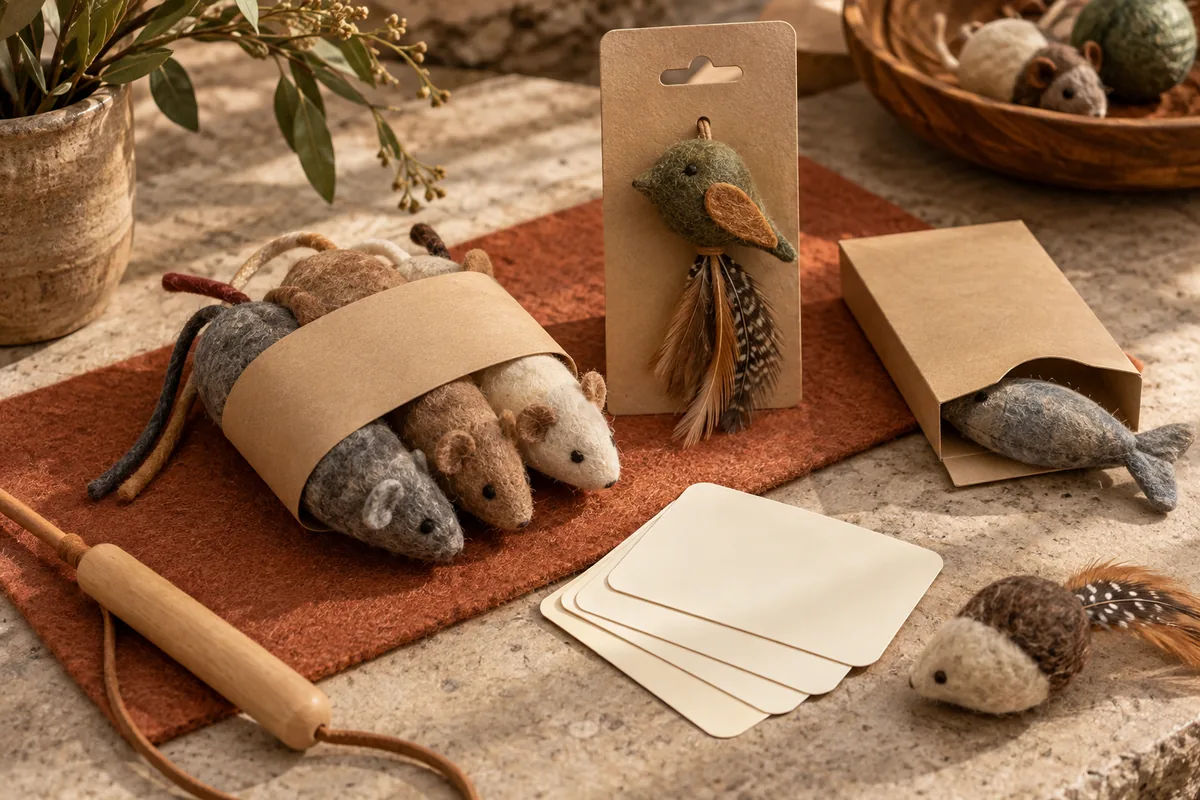
Packaging illustration: compare formats by contents, protection and presentation. The toy shapes shown are examples, not a confirmed SKU assortment.
For a subscription box, give the internal box dimensions and allowed space for each item. For a retailer, discuss how the pack is displayed and where product information remains visible. For ecommerce, consider the opening sequence and the relationship between the retail pack and shipping pack.
Agree set contents explicitly. “Four toys” can mean different shapes, sizes or attachments. A complete teaser wand and an attachment-only pack are different offers. A scratch bed and its refill also need distinct names and compatibility information.
How should MOQ and costs be compared?
MOQ is the minimum quantity accepted for a defined order scope. Ask whether it applies per product, color, material, printed packaging version or total order. An overall target quantity does not confirm that every component can be split into small custom batches.
Request a cost breakdown that identifies product price, sample work, artwork or setup where applicable, packaging and shipping scope. Do not assume one supplier’s unit price includes the same services as another’s. A useful comparison uses the same quantity, specification and delivery basis.
| Question to ask | What the answer should clarify |
|---|---|
| Can colors be mixed within the order? | Quantity required for each color and any shared-material conditions |
| Is custom packaging included? | Pack type, artwork version, printing and quantity scope |
| What does the sample represent? | Standard item, modified construction, final branding or a packaging mockup |
| Which charges are separate? | Development, sample, setup, shipping and any stated exclusions |
| What starts the production schedule? | The approvals and payment arrangements named in the written agreement |
Use the reference purchasing information on the selected product page to plan your discussion. The written quotation must confirm the actual conditions for your version; avoid turning a general reference MOQ into a promise across the whole collection.
What should you approve before production?
Approve the product and packaging as a connected version. Review the selected material, dimensions, components, branding application, care information and pack contents. For a structural change, compare the new sample with the revised drawing before accepting artwork as final.
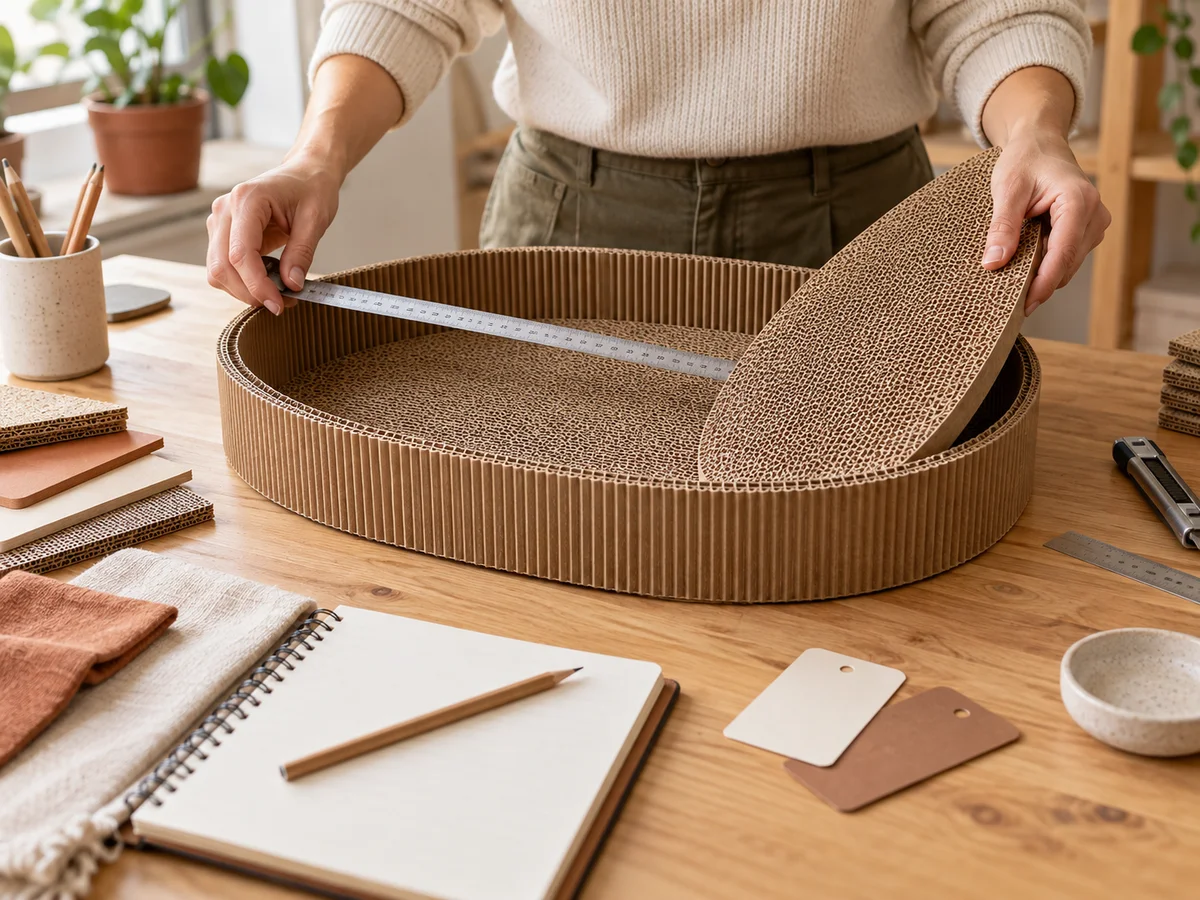
Sample-review illustration: the approval record should connect product measurements, packaging and revision history.
Write specific revision requests and mark whether each is resolved. Keep photos, measured dimensions and approved artwork under the same version reference. If the supplier cannot show final packaging during the first sample review, identify the outstanding approval and when it will be completed.
A practical handover file contains the product specification, approved sample reference, set contents, logo and packaging files, instruction languages, quantity split and delivery arrangements. New changes after approval belong in the written revision record. See From Your Product Brief to Sample Approval for the review sequence.
Buyer questions about private label cat products
Can I start with packaging customization only?
Yes, packaging-only customization can be a scope to discuss around an existing item. Confirm the pack format, artwork, quantities and whether the standard product remains unchanged. Availability and conditions must be agreed for the chosen SKU.
Does private label mean I own an exclusive design?
No. Branding a product does not establish exclusivity or ownership of the underlying design. If exclusivity, drawings or tooling rights are important, identify those requirements and obtain a written agreement before development begins.
Can I combine several wholesale cat toys in one collection?
You can prepare a mixed-SKU brief, but confirm quantities, pack contents and customization conditions for each item. A coordinated collection does not require every product to use the same material or packaging. Start with the collection planning guide.
Prepare your private label brief
List the starting SKUs, target market, quantity by product and color, logo method, packaging and required structural changes. Attach approved references and identify open decisions. Use the RFQ guide to organize a comparable request, explore the product collection, or discuss your brand brief.
Share your selected SKUs, market and customization ideas. Discuss product specifications, packaging and sample arrangements for your collection.
Start an inquiry ↗