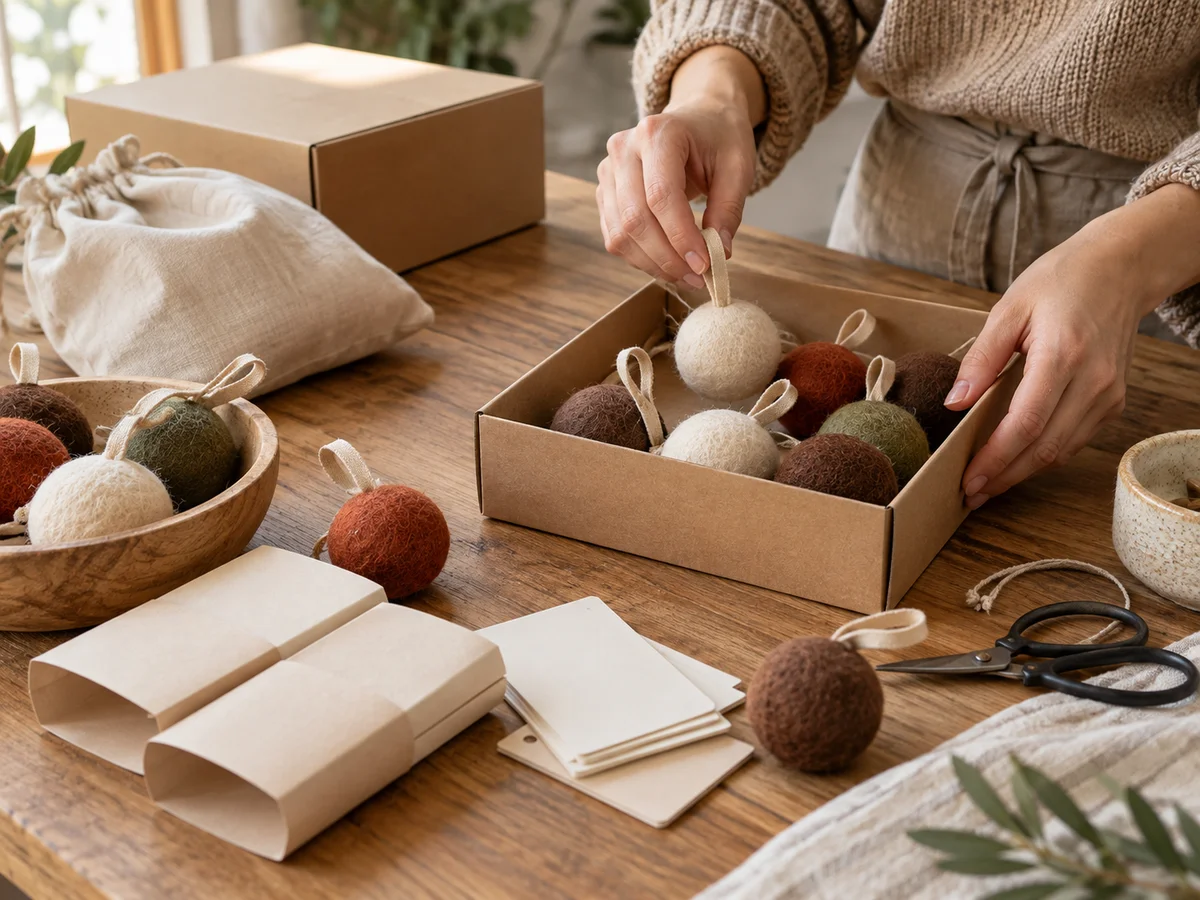
A request for quotation, or RFQ, is a structured request asking a supplier to price a defined product and order scope. For cat product sourcing, include the SKU or design reference, quantity by variant, material and construction, customization, packaging, destination and timing. Clear inputs make quotations easier to compare.
You do not need to resolve every design detail before contacting a supplier. Mark what is essential, what is a preference and what needs a recommendation. This guide provides a worked RFQ example and a checklist for evaluating the response. Images illustrate planning activities, not completed orders.
What information should a cat product RFQ contain?
Give the supplier enough information to identify the offer and understand the work required. “Please send your best price for cat toys” leaves open the product, quantity, pack and delivery scope. A short structured request can remove those uncertainties without becoming a technical manual.
| RFQ field | What to include | Why it changes the response |
|---|---|---|
| Product | SKU, link or reference drawing; intended use | Identifies the item and any development work |
| Quantity | Units or sets by SKU, color and version | Defines the price and MOQ scope |
| Material and construction | Required composition, size, components and open choices | Prevents unlike specifications being priced as equivalents |
| Branding | Logo placement, application and artwork status | Identifies label, printing and sample requirements |
| Packaging | Individual pack, set contents and custom artwork | Defines the retail offer and packed size |
| Destination | Country and delivery location; requested delivery basis | Establishes the shipping scope to quote |
| Timing | Desired arrival or launch date and flexibility | Separates production readiness from transport time |
| Documentation | Required information or reports for the destination market | Identifies evidence and review work before ordering |
Use units consistently. A four-ball set is one set containing four pieces, not four complete sets. An attachment-only pack is not a complete wand. When several products share a box, list the contents of one finished box before giving the number of boxes required.
How do you distinguish requirements from open options?
Divide the brief into essential requirements, preferred options and supplier recommendations. Essential details might include maximum pack size, the number of pieces or a particular product format. Preferred options might include a palette or label position. Open questions might concern an attachment method or alternative packing format.
Ask the supplier to price the standard version and the modified version separately when a change affects construction. This makes the effect of the change visible. Do not leave the supplier to guess whether a reference image is a color example, an exact dimension requirement or a request to develop a new structure.

Material-planning illustration: use written composition and construction requirements alongside visual references.
For a tunnel, specify usable openings and assembled size. For a scratch bed, name the holder and refill version. For private label cat toys, identify logo and packaging changes. The tunnel guide, scratcher and refill guide and private label guide provide product-specific questions.
What does a worked cat product RFQ look like?
The example below is a hypothetical request, not a published offer, accepted MOQ or customer case. Its purpose is to show how quantities, versions and open decisions can be separated.
| Field | Example request |
|---|---|
| Buyer and channel | Independent pet retailer preparing an indoor-cat collection |
| Product 1 | A01 felt tunnel; request the current standard specification |
| Quantity 1 | 200 individual tunnels; quote a 100/100 terracotta-and-olive color split if available |
| Product 2 | B01 four-ball set; 300 sets, with four balls per set |
| Branding | Quote a sewn label for A01 and a branded sleeve for B01; artwork available after scope confirmation |
| Packaging | Individual retail packs with an English care card; suggest a pack for the tunnel sections |
| Destination | Warehouse in Germany; delivery postal code provided with the shipping inquiry |
| Timing | Desired warehouse arrival in the buyer’s stated launch month; ask for feasibility and separate sample, production and transport estimates |
| Samples | Quote one representative sample of each SKU and identify whether final branding and packaging are included |
| Open decisions | Supplier to confirm material composition, mixed-color conditions, pack dimensions and available documentation |
Notice that the request asks whether a color split is available rather than assuming it. It also separates product quantities from sample quantities, and a desired arrival date from a promised production deadline. Those distinctions help the supplier state what can actually be quoted.
If you need a budget comparison, request named quantity tiers for the same product version. Ask the supplier to state the currency, unit basis, included packaging and shipping exclusions. Avoid comparing one quote for a bare product with another for a finished retail set.
Which sample and documentation questions should you ask?
Ask what the sample represents: a standard item, a modified product, a branding application or the final retail pack. Confirm the sample charge, shipping scope, estimated schedule and whether another revision will be needed. A sample photo is useful for discussion but does not replace review of the physical construction.
For documents, identify the exact product, material, destination market and intended claim. Ask whether supporting reports exist, which version they cover and who issued them. A report for another material or product should not be assumed to cover your order. Confirm market-specific requirements with the appropriate qualified adviser where needed.
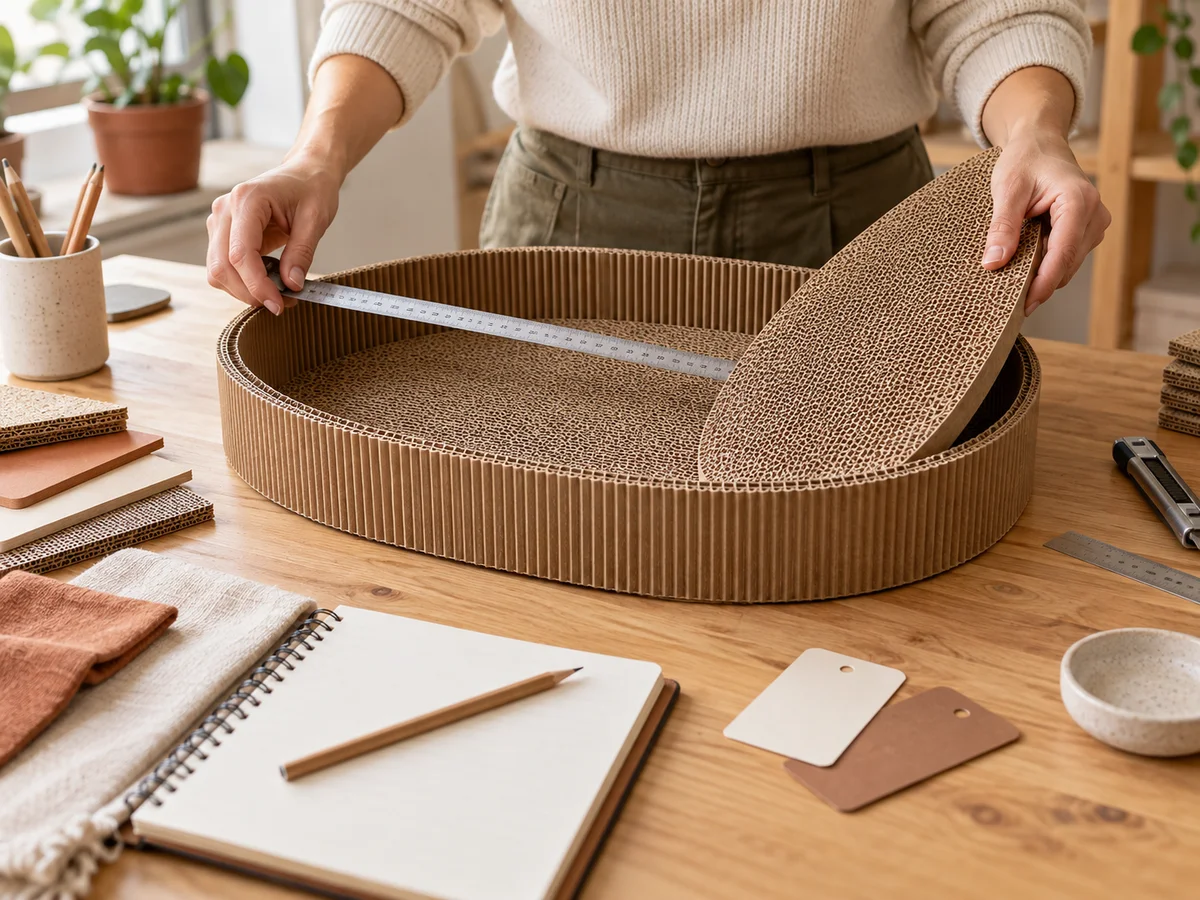
Sample-review illustration: connect the requested product version to the measurements and approval record.
Use the sample approval guide to record revisions. If a change affects fit, material, components or assembly, ask whether a revised sample is needed before production approval.
How should you compare supplier quotations?
Compare the scope before comparing the headline unit price. A lower number may describe a different material, quantity, pack or delivery basis. Create a side-by-side table and ask for clarification wherever a field is missing.
- Match each quotation to the same SKU and revision.
- Confirm unit versus set pricing and the full contents.
- Check MOQ by product, color and packaging version.
- Compare material, dimensions, construction and branding.
- Identify sample, setup and development charges separately.
- Confirm the individual pack and master-carton measurements.
- Separate sample time, production time and transit estimates.
- Record delivery basis, currency, payment arrangements, validity and exclusions.
- List unresolved documentation or approval requirements.
Keep open fields visible. Mark “not confirmed” instead of filling gaps with assumptions. If the pack changes during sampling, request updated dimensions and shipping scope before treating an earlier quotation as final.
What commonly slows down an RFQ?
Mixing units and sets, leaving the color split unstated, or asking for “the same as the image” can create avoidable revisions. So can requesting an arrival date without saying where the goods must arrive. Describe the product and the order in separate fields.
Another common gap is unclear artwork status. State whether files are ready, need adaptation or will follow after product selection. For a refillable scratcher, include the holder revision; for a mixed box, include one box’s contents. These details make a request more actionable than adding a long general company introduction.
Buyer questions about cat product sourcing
Can I request a quotation before choosing final colors?
Yes. Ask for the standard version first and mark custom colors as an option. The supplier should state the assumptions used. Confirm the final palette and quantity split before sample and order approval.
Does an RFQ commit me to placing an order?
An RFQ is a request for pricing and scope information. Keep any order approval, sample purchase or other commitment clearly identified in the subsequent written exchange. Review the proposed terms before accepting them.
Should I use a target retail price in the brief?
A target position can help explain the product and packaging you want. It does not replace quantities, specifications or delivery information, and it should not be treated as a guaranteed margin. Ask for alternatives with their material and pack differences stated.
Send a brief that can become a sample plan
Download the product inquiry checklist, choose your product shortlist, and send a structured inquiry. Include the essentials now and label the open decisions. A useful supplier response should identify the quoted version, what is included and which details need confirmation before sampling.
Share your selected SKUs, market and customization ideas. Discuss product specifications, packaging and sample arrangements for your collection.
Start an inquiry ↗