For a first wholesale cat product order, choose the number of sellable versions before choosing the total quantity. Each added style, color and packaging format can create another version to quote, approve and replenish. A focused launch can still look coordinated when its palette, labels and presentation are planned together.
This guide helps pet brands and retailers compare a single-product launch with a small tunnel-and-scratcher collection. It addresses order scope rather than the broader collection-design guide. Images are design illustrations, and the numerical examples below are planning exercises, not supplier quotations or confirmed MOQ offers.
Should the first order contain one product or a small collection?
A single product is useful when you need to learn how one offer performs in one channel. A small collection is useful when customers or retail partners need complementary products at launch. Decide which question the order must answer before expanding its scope: demand for one design, preference between colors, or demand for a coordinated assortment.
| Launch approach | What it helps you evaluate | What you must prepare | Main tradeoff |
|---|---|---|---|
| One style, one color, one pack | Response to one clearly defined offer | One specification, sample and listing | Limited assortment, but fewer decisions to approve |
| Two complementary styles with a shared palette | Response to a small coordinated collection | Separate product specifications and quantity splits | Broader presentation with more approval and inventory work |
| Several styles, colors and pack formats | Response across many combinations | Version-level quantities, assets, pack files and reviews | Less quantity per version at the same total order size |
A cat tunnel and a cardboard scratcher illustrate different product roles without adding another material or use category merely to increase the catalog. Compare the tunnel buying guide and scratcher and refill guide for the different specifications each requires. Neither combination nor popularity guarantees sales; the brief should state what you want to learn.
How do colors and packaging multiply order versions?
Count the combinations you actually intend to sell. If every style uses every color and every pack format, the planning count is styles × colors × packaging versions. If only selected combinations exist, list those rows instead of assuming a complete matrix.
The following comparison holds total quantity at 720 sellable units and splits it evenly. It assumes the products use the same unit basis. Real orders may mix units and sets or allocate quantities unequally; the supplier must confirm what can be produced.
| Illustrative order | Styles | Colors per style | Packs per combination | Sellable versions | Units per version |
|---|---|---|---|---|---|
| Focused launch | 1 | 1 | 1 | 1 | 720 |
| Small coordinated collection | 2 | 2 | 1 | 4 | 180 |
| Broad launch | 3 | 3 | 2 | 18 | 40 |
The broad plan does not necessarily cost more per unit, but it asks the same order quantity to support eighteen approvals and stock records rather than four. If a hypothetical minimum were 100 units per version, 40 would not meet it. This is an arithmetic example, not a statement of MewToys’ order conditions.
Separate your internal stock code from the retail barcode. Where GTIN identification applies, GS1’s guidance on size and color variations explains why variants need identification planning. Confirm the applicable rules for your trade items; do not assume one barcode covers every color and pack.
Which color decisions can wait until the second order?
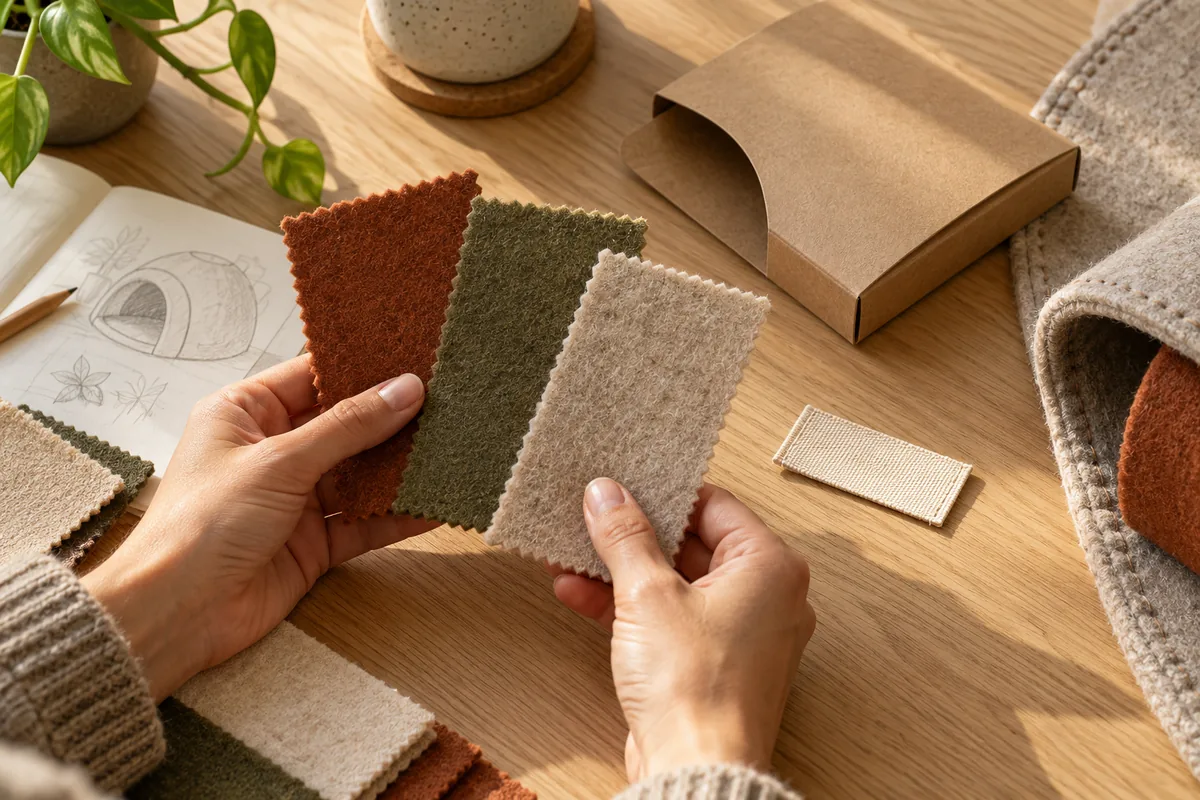
Start with the colors that express your brand and can be reviewed on physical material and finished samples. One main palette can connect different constructions, but a shared color name does not make felt and printed cardboard identical. Keep separate approved references for each material.
Ask whether colors are standard options or require a custom material run, and whether MOQ applies by style, color or total quantity. Mixing two colors in an order is a condition to confirm, not an entitlement created by meeting a total order number.
If you want to compare colors, identify which variable stays fixed: product, packaging, presentation and channel. Launching new colors, new structures and new packs simultaneously makes it harder to understand what drives a result. Reserve optional colors as quoted follow-up versions rather than silently adding them to the first production brief.
What should you customize first?
For a first private label cat product order, compare a standard item with branding, a visual revision and structural development as separate scopes. Choose the scope that serves the launch purpose, and ask what each sample will demonstrate.
| Scope | Tunnel or scratcher example | Evidence needed before approval | When to consider it |
|---|---|---|---|
| Label and pack | Brand label, paper sleeve or printed care card | Artwork, placement, attachment and finished pack | Brand presentation is the main change |
| Color or finish | Felt palette, binding or printed side-panel appearance | Material reference and finished product sample | Visual identity needs more than a label |
| Structure | New tunnel connection or revised scratch-bed holder | Versioned drawing, construction and physical fit review | A defined product requirement cannot be met by the existing structure |
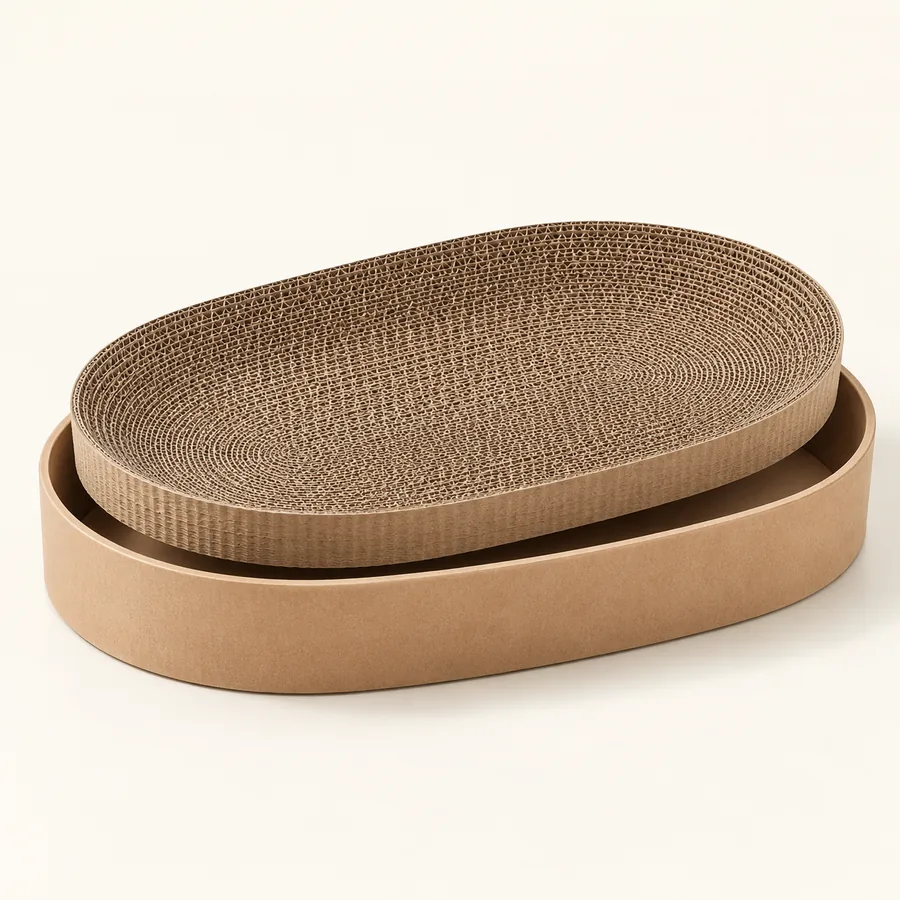
A scratch-bed illustration: a change to the holder affects the insert specification and compatibility review, not just the appearance.
A structural change is not automatically the better brand investment. It adds decisions about construction, sampling and approval. Conversely, packaging alone cannot solve a required opening size or refill-fit problem. Use the private label guide to separate branding from development rather than selecting solely by the label “OEM” or “ODM.”
Should every product have the same packaging?
Coordinate the design language while specifying protection and contents for each item. A tunnel’s sections and a scratch-bed tray do not need identical pack construction. They may share typography, colors and instruction style while requiring different retention and cushioning arrangements.
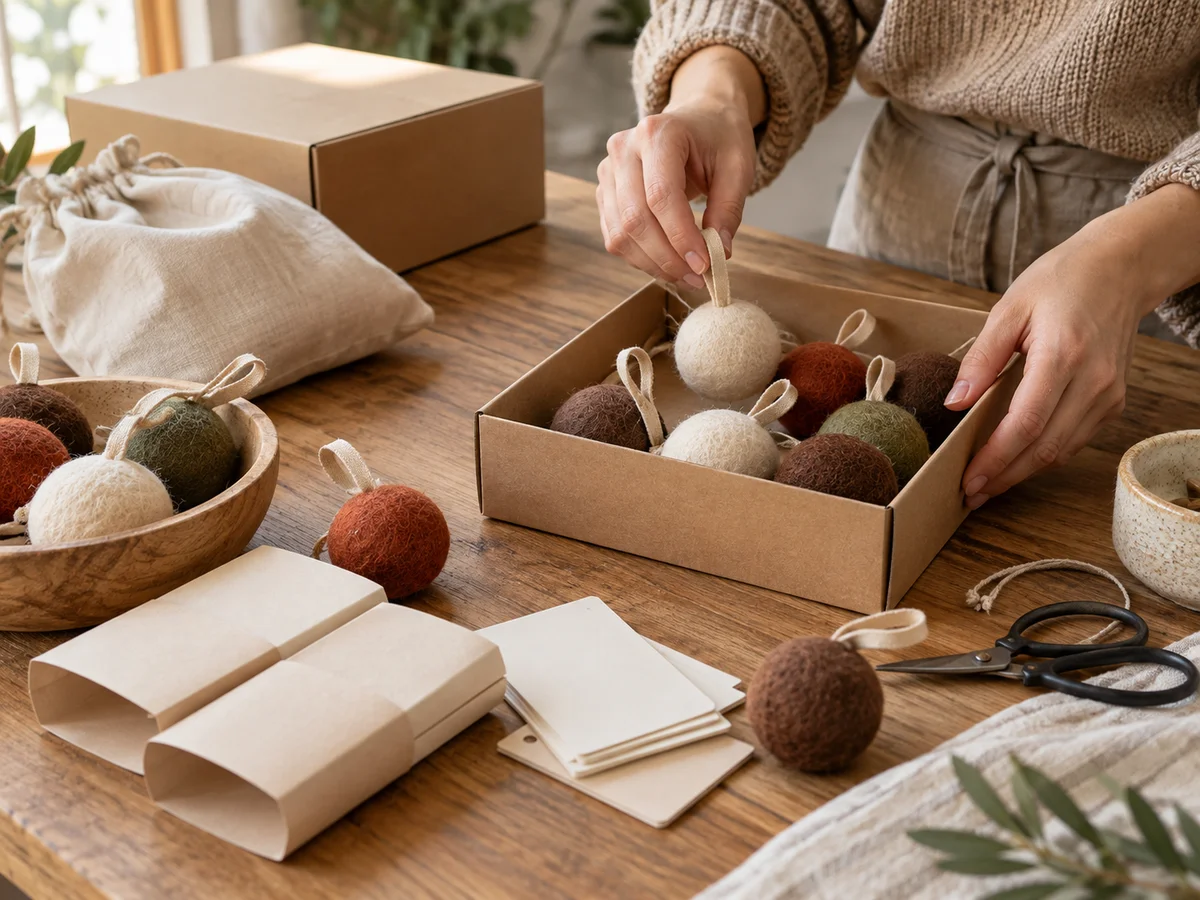
Compare one agreed pack per product with separate retail, gift and bundle versions. Each additional pack can require a new artwork file, contents list, measurements and stock identity. A gift box is justified by a channel or offer requirement, not merely by the desire to make the first order feel larger.
Ask for actual packed dimensions, units per master carton and gross weight of the quoted version. Do not use assembled product dimensions as shipping dimensions or borrow packing savings from another product category.
How do you compare first-order budgets fairly?
Request the same specification and quantity basis for each comparison. Separate goods, packaging, sampling, development where applicable, and the stated delivery scope. A low headline unit price may omit work included in a different proposal.
Use a planning worksheet with confirmed amounts and unresolved fields: product quantities, price per unit or set, pack cost if separate, sample and setup charges, shipping scope and a buyer-defined revision allowance. A blank field is not a zero cost. Avoid promising a retail margin from supplier price alone.
ICC Academy’s explanation of EXW and FCA shows why delivery basis changes the scope of a quotation. Confirm the named delivery point and included responsibilities before treating two supplier prices as comparable.
What should be fixed before production approval?
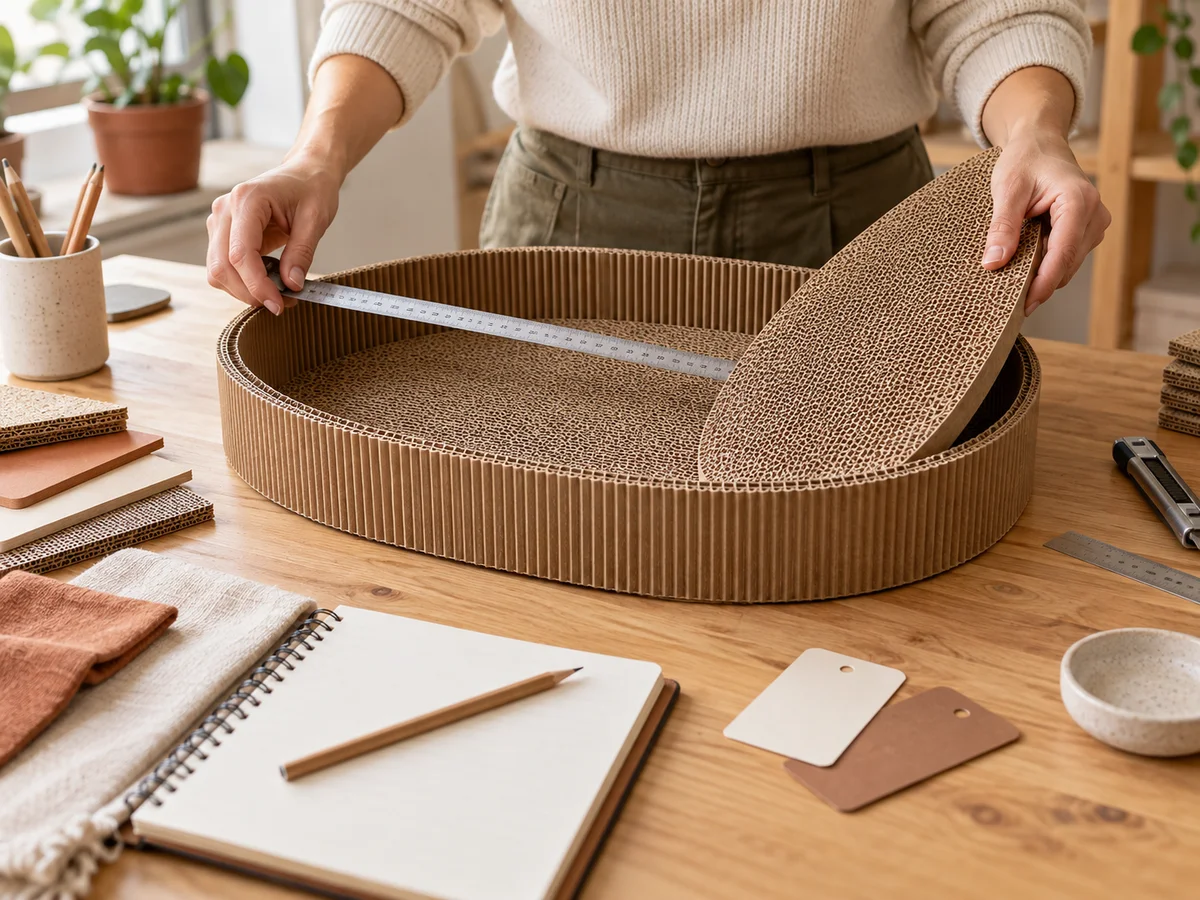
Sample-review illustration: approve each order version against a written specification rather than relying on a shared color description.
- List every style, color and pack combination with its quantity and unit basis.
- Confirm MOQ conditions for products, colors and printed packs separately.
- Identify the approved specification and physical sample for each version.
- Record label, artwork, care language, contents and packaging dimensions.
- Keep optional changes separate from the production version.
- Confirm quoted delivery scope, schedule and outstanding decisions in writing.
- Define how sales, feedback and reorder discussions will be recorded by version.
See the sample approval guide for revision records and the RFQ guide for a structured quotation request. Start a reorder discussion with the version actually sold, not only the family name of the product.
Questions about a first wholesale cat product order
Is one color too limited for a new brand?
Not necessarily. A strong palette, label and presentation can identify a brand with one color. Add another color when it serves a defined customer or test objective and its quantity and approval requirements are understood.
Can MOQ be shared across tunnels and scratchers?
Ask the supplier. Different constructions, materials and packs can have separate conditions. Meeting a total quantity does not confirm that small quantities of each version are accepted.
When should you expand the range?
Use recorded demand, customer feedback, stock remaining and confirmed repeat-order conditions. Identify whether the next order needs more of the current version, another color or a different product. Set the review criteria before placing the first order instead of assuming an automatic expansion date.
Prepare two comparable first-order options
Ask for a focused version and a small-collection version with the same target market and delivery basis. Show quantities per combination, the customization scope and open decisions. Browse tunnels and scratchers, then send your first-order brief so the quotation can describe the offer you intend to launch.
Share your selected SKUs, market and customization ideas. Discuss product specifications, packaging and sample arrangements for your collection.
Start an inquiry ↗